
In optical systems, timing can matter as much as wavelength or output power. Some applications need controlled bursts of energy rather than a continuous beam. Pulsed diode technology lets engineers define pulse duration, repetition rate and peak power.
What Defines a Pulsed Diode Laser?
A continuous-wave (CW) laser emits steadily; a pulsed source produces bursts separated by intervals. Its performance is described by pulse width, repetition rate, peak power and average output power. They must be assessed together: peak power alone does not show energy delivered over time.
When selecting pulsed diode lasers, pulse duration is a key factor. Nanosecond pulses suit systems requiring longer bursts, while picosecond pulses serve applications that need finer temporal resolution. Choice depends on the measurement method, setup and driver electronics.
Applications That Depend on Timing
Repeatable pulses control when optical energy reaches a target or detector. Depending on wavelength and system design, they can support:
- Fiber laser seeding, supplying an optical input to a larger laser system.
- Distance measurement and LiDAR, where return-signal timing helps determine range.
- Scientific research and equipment calibration, where repeatable signals support instrument testing.
Pulse width and repetition rate define timing; peak power affects the signal available during each pulse. Wavelength must match the optical components and measurement target.
Selecting the Right Configuration
The diode is only one part of the system. The driver must supply the required current waveform; thermal management, fiber, connectors and packaging also affect integration. Engineers should define:
- target wavelength and tolerance;
- pulse width, repetition rate and peak power;
- fiber-coupling and polarization requirements;
- package, electrical interfaces and thermal conditions.
These specifications indicate whether a standard product or customization is needed. A well-matched configuration helps ensure compatibility with the optical system, simplifies integration and supports stable operation under defined conditions. Careful evaluation at the design stage can also prevent unnecessary adjustments during assembly and testing.
From Specifications to a Working Solution
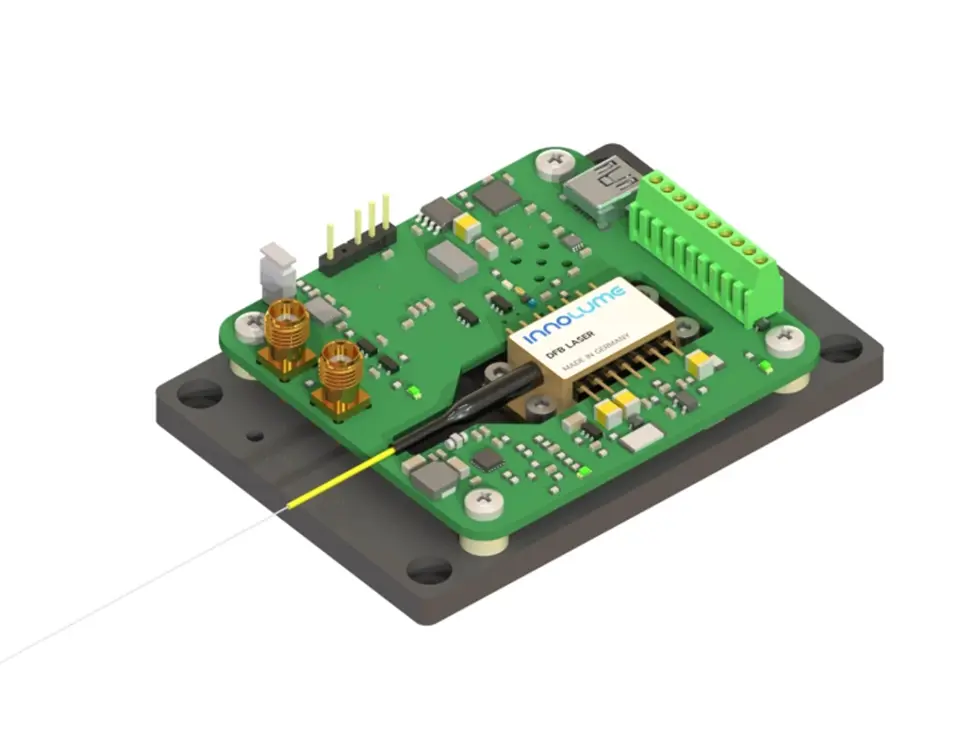
Innolume develops and manufactures semiconductor laser diodes, including pulsed Fabry–Perot and DFB solutions. Its range includes nanosecond options and gain-switched DFB devices producing pulses as short as 50 ps. Fiber-coupled configurations are available, with wavelength and packaging options considered against application requirements.
With in-house R&D and production, Innolume offers standard components and custom development. Teams designing fiber laser, measurement or scientific systems can consult its specialists to define the required parameters and select a suitable configuration.
Also Read
- Synonyms for Via 30 Powerful Words to Explore 2026
- Synonyms of Complacent,30 Best word for 2026
- What Is a Synonym for Also? 15 Useful Alternatives