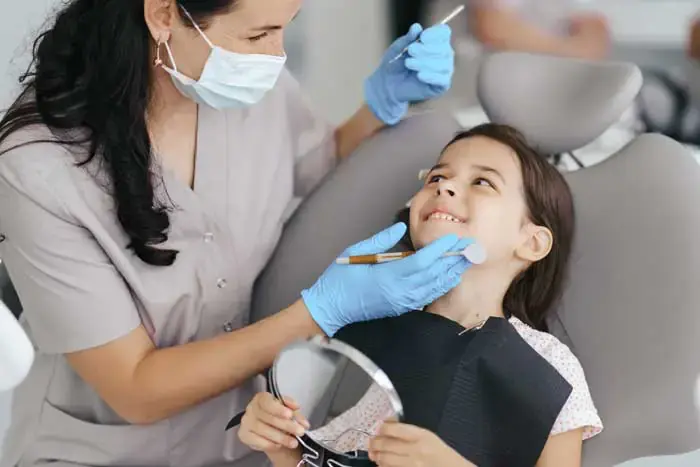

Everyday dental care is about more than keeping teeth clean; it is about developing simple habits that support a healthy mouth over time. Whether you are improving your brushing routine, scheduling regular checkups, or learning how diet affects your teeth, small and consistent steps can make a meaningful difference. Practices such as ORA Dental Studio may be part of someone’s research when exploring dental care options, but the most important starting point is understanding what good everyday oral hygiene involves and how to maintain it.
A healthy smile does not require an unnecessarily complicated routine. It requires consistency, useful information, and professional guidance when needed. By making oral care a regular part of daily life, people can take a more active role in protecting their teeth and gums.
Build a Consistent Brushing Routine
Brushing is one of the foundations of everyday dental care. It helps remove food particles and plaque, a sticky film of bacteria that can contribute to tooth decay and gum problems when it is not regularly removed.
For a practical routine, dental professionals generally recommend brushing twice a day with fluoride toothpaste. Use a soft-bristled toothbrush and gentle movements rather than applying excessive pressure.
Keep these habits in mind:
- Brush for approximately two minutes each time.
- Clean the front, back, and chewing surfaces of your teeth.
- Use gentle circular or short brushing movements.
- Brush along the gumline carefully.
- Replace your toothbrush or brush head when the bristles become worn.
Brushing too aggressively can irritate gums and contribute to tooth wear. A gentle, thorough approach is usually more helpful than trying to brush with greater force.
Remember to Clean Between Your Teeth
A toothbrush cannot effectively reach every space between teeth. Food particles and plaque can collect in these areas, making interdental cleaning an important part of a complete oral hygiene routine.
Flossing once a day can help clean between teeth and along the gumline. People who find traditional floss difficult to use may ask their dental professional about alternatives, such as interdental brushes or water flossers.
The best method depends on the spacing between teeth, dental work, and individual needs. The important thing is to clean these areas consistently rather than relying on brushing alone.
Make Thoughtful Food and Drink Choices
Everyday eating habits can influence oral health. Frequent consumption of sugary foods and drinks can increase the risk of tooth decay because mouth bacteria use sugars to produce acids that affect tooth enamel.
This does not mean people need to avoid every sweet food. Instead, paying attention to frequency and making balanced choices can support better dental health.
Consider these practical habits:
- Choose water regularly throughout the day.
- Limit frequent sugary snacks and drinks.
- Include a variety of nutritious foods in meals.
- Avoid repeatedly sipping sweetened beverages.
- Follow professional advice if you have specific dietary or dental concerns.
Water can also help rinse away food particles and support saliva, which plays a natural role in protecting the mouth.
Understand the Value of Regular Dental Checkups
Daily home care is essential, but it does not replace professional dental examinations. Regular visits allow a dentist to assess teeth and gums, identify potential concerns, and recommend care based on individual needs.
Some dental problems may develop without obvious discomfort in their early stages. Professional examinations can help identify changes that may not be easy to notice at home.
People researching the Best Dentists in Chicago may compare qualifications, patient communication, available services, and appointment convenience. These considerations are useful when choosing a dental professional in any location. A suitable provider should explain findings clearly and help patients understand their options without making them feel pressured.
The frequency of dental visits can vary. Your dentist can recommend an appropriate schedule based on your oral health, dental history, and individual risk factors.
Pay Attention to Your Gum Health
Healthy gums are an important part of a healthy mouth. Redness, swelling, tenderness, or bleeding during brushing may indicate that your gums need attention.
Plaque accumulation along the gumline can contribute to gum inflammation. Consistent brushing, interdental cleaning, and professional dental care can help manage plaque and support gum health.
If you notice ongoing bleeding, discomfort, or changes in your gums, arrange a dental assessment rather than ignoring the symptoms. Early professional guidance can help clarify the cause and identify suitable next steps.
Make Oral Care Easier for the Whole Family
Good dental habits are easier to maintain when they become part of the household routine. Parents and caregivers can help children learn appropriate brushing techniques and understand why oral hygiene matters.
For children, supervision may be necessary until they can brush effectively on their own. Using age-appropriate dental products and following a dental professional’s guidance can help establish healthy habits.
Families can make oral care more consistent by:
- Setting regular brushing times in the morning and evening.
- Keeping toothbrushes and toothpaste easy to access.
- Encouraging children to ask questions about dental health.
- Scheduling routine dental appointments.
- Making oral hygiene a shared daily activity.
A supportive approach helps children view dental care as a normal part of looking after themselves.
Choose Dental Products That Suit Your Needs
Dental care products are not all identical, and the most expensive option is not necessarily the most suitable. A soft-bristled toothbrush and fluoride toothpaste are useful starting points for many people.
Other products, including mouthwash, specialized toothpaste, and interdental cleaning tools, may be helpful depending on individual circumstances.
Before adding several products to your routine, consider asking a dental professional what is appropriate. For example, people with sensitive teeth, orthodontic appliances, or specific gum concerns may benefit from tailored recommendations.
Using too many products without understanding their purpose can make a routine unnecessarily complicated. Focus on consistent basic care first.
Develop Habits That Support Long-Term Oral Health
The most effective everyday dental routine is one that can be maintained over time. Rather than making many changes at once, focus on practical improvements and build consistency gradually.
Keep your toothbrush and floss accessible, maintain regular appointment reminders, and pay attention to changes in your mouth. If a habit becomes difficult to follow, ask your dental professional for a simpler approach that suits your circumstances.
Long-term oral health depends on the combination of daily hygiene, balanced habits, and appropriate professional care.
Conclusion
Better everyday dental care begins with consistent brushing, interdental cleaning, thoughtful food choices, and regular checkups. By choosing suitable products and seeking professional guidance when needed, individuals and families can build practical habits that support healthier teeth, stronger gums, and lasting confidence in their oral health.
Also Read
- Synonyms for Via 30 Powerful Words to Explore 2026
- Synonyms of Complacent,30 Best word for 2026
- What Is a Synonym for Also? 15 Useful Alternatives